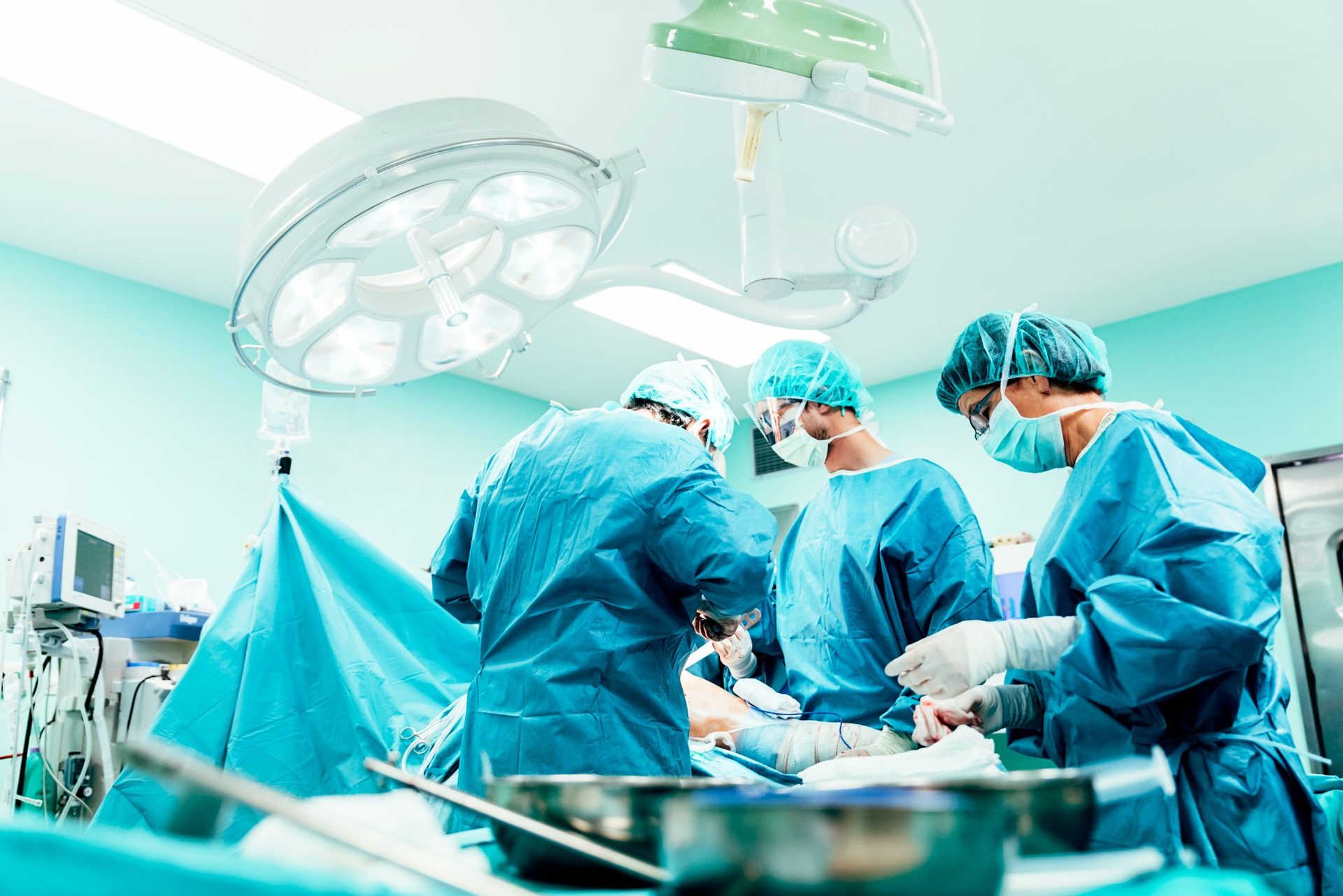
Sterile processing technician working with surgical instruments
Home / All Careers / Sterile Processing Technician
Career Profile · Healthcare

Sterile Processing
Technician

Salary · Training · Career Path · 2024 Data
$48,000
Median annual salary
BLS · 2024
+7%
Job growth 2024–2034
BLS — faster than average
6 Mo
To CSPDT certification
IAHCSMM approved program
$68K+
Top 10% annual salary
BLS top 10%
OR path
Career ladder
SPT → Surgical Tech (CST)
Programs near you have limited open seats
Start Your Sterile Processing Path
Free · No commitment · Match with programs near you
You are in.
We will match you with programs near you. Check your email within 1 business day.
Salary data

What Sterile Processing Technicians Actually Earn

Median annual salary
$48,000
Half of all SPTs earn above this
Top 10% annual salary
$68,000+
Lead SPTs and supervisors in major hospital systems
Entry level (10th pctile)
$34,000
First-year SPT — hospital central sterile
Night shift differential
+$3–$6/hr
Night and weekend differentials are common in CS departments
Entry-level SPT
$34,000
Median SPT (CSPDT)
$48,000
Lead / supervisor SPT
$60,000+
Top 10% SPT
$68,000+
Sterile Processing Technicians are the unsung foundation of every surgical program. Without properly sterilized instruments, no surgery can happen. The CSPDT certification takes 6 months and opens a direct career ladder to Surgical Tech (CST) — a $12,000+ salary upgrade with the same hospital career track.

Sources: BLS OES May 2024 · IAHCSMM 2024 Salary Survey.

Florida median SPT salary
$44,000
Below national — high surgical volume market
Florida top 10%
$60,000+
Lead SPTs in major FL hospital systems
Entry level in Florida
$31,000
First-year SPT — FL hospital
FL surgical volume
High
FL surgical case volume among highest per capita in US
Tampa Bay SPTs
~$44,000
Orlando SPTs
~$45,000
Miami SPTs
~$46,000
Jacksonville SPTs
~$42,000
Florida-specific: Florida does not require state licensure for sterile processing technicians. IAHCSMM CSPDT or CBSPD certification is the industry standard and required by most major FL hospital systems. Florida’s high surgical volume creates consistent SPT demand.

Sources: BLS OES May 2024 FL state data · CareerOneStop · IAHCSMM.

Texas median SPT salary
$43,000
Below national — no state income tax
Texas top 10%
$58,000+
Lead and supervisor SPTs in TX systems
Entry level in Texas
$30,000
First-year SPT — TX hospital
TX hospital growth
Strong
TX hospital expansion tracking rapid population growth
Houston SPTs
~$43,000
Dallas SPTs
~$43,000
Austin SPTs
~$43,000
San Antonio SPTs
~$41,000
Texas-specific: Texas does not require state licensure for sterile processing technicians. The Texas Medical Center’s large hospital systems and the rapidly expanding DFW medical corridor are major SPT employers.

Sources: BLS OES May 2024 TX state data · CareerOneStop · IAHCSMM.

Training paths

How to Become a Sterile Processing Technician

01
CSPDT Certificate Program (4–6 Months)
Standard path

A short certificate program covering decontamination, sterilization methods, instrument identification, packaging, and sterility assurance. Graduate eligible for the CSPDT exam through IAHCSMM.

  • Program cost: $1,000–$3,500 at community colleges and vocational programs
  • 4–6 months — one of the faster healthcare certifications
  • CSPDT exam: Certified Sterile Processing and Distribution Technician (IAHCSMM)
  • CBSPD certification through ABSPD is an accepted alternative
  • Many hospitals train SPTs on the job and sponsor certification
02
Employer On-the-Job Training + CSPDT

Many hospital central sterile departments train SPTs from scratch in exchange for a work commitment, then sponsor CSPDT certification. One of the few hospital roles available to candidates with no prior healthcare experience.

  • Zero tuition cost — hospital funds training
  • Begin earning immediately (typically $15–$18/hr during training)
  • Hospital sponsors CSPDT exam after training period
  • Employment commitment of 12–24 months typically required
  • Night shift positions often have the most availability and highest starting pay
03
SPT → Surgical Tech Career Ladder
Best for OR career path

Sterile processing experience provides a strong foundation for the Surgical Tech (CST) role. SPTs who pursue CST gain 20–30% salary increases and a more clinical OR role with direct patient care.

  • SPT: $48,000 median — behind-the-scenes OR support
  • CST (Surgical Tech): $60,370 median — direct OR patient care
  • SPT experience counts toward clinical hours for some CST programs
  • 12–18 month CST certificate program is the bridge
  • Many hospital systems support SPT→CST education with tuition assistance
Full step-by-step guide: How to become a Sterile Processing Technician
Day in the life A Day in the Life of a Sterile Processing Technician
+
Day in the life

A Day in the Life of a Sterile Processing Technician

6:00 AM
Receive soiled instruments from OR
The OR runs its first cases of the day — used surgical instruments arrive in the decontamination area. Safety PPE on: face shield, gown, gloves. Decontamination begins.
6:30 AM
Decontamination and cleaning
Manual pre-cleaning of complex instruments. Automated washer-decontaminator cycles. Each instrument must be clean before sterilization can be effective.
8:00 AM
Inspection and assembly
Inspect each instrument for cleanliness, function, and damage. Broken instruments go to repair — never to sterilization. Assemble instrument sets per the case card.
9:30 AM
Packaging and sterilization
Wrap sets in appropriate packaging material, seal, and label. Load sterilizers — steam autoclave, ethylene oxide, or Sterrad depending on instrument type.
11:00 AM
Sterility assurance and distribution
Verify biological and chemical indicators confirm sterilization. Distribute sterile sets to the OR, procedure rooms, and floor stock. Critical timing for afternoon OR cases.
1:00 PM
Afternoon case turnover support
The OR runs afternoon cases — used instruments continue to arrive. Decontamination, assembly, and sterilization cycles continue throughout the shift.
What you will need Skills That Make a Great Sterile Processing Technician
+
What you will need

Skills That Make a Great Sterile Processing Technician

Attention to detail
A contaminated or defective instrument in a sterile set is a patient safety crisis. Inspecting every instrument of every set, every time, without shortcuts, is the non-negotiable standard.
Instrument identification
Hundreds of surgical instruments — each with a name, function, and specific handling requirement. Top SPTs know their instrumentation thoroughly.
Sterility assurance knowledge
Understanding how sterilization methods work — steam, EtO, hydrogen peroxide plasma — and what conditions compromise sterility is essential for compliance.
Physical stamina
SPT work involves standing, lifting, and repetitive motion for the entire shift. Ergonomic awareness and physical endurance matter in this role.
Documentation accuracy
Load records, biological indicator logs, and instrument tracking documentation create the regulatory and legal paper trail that proves sterilization occurred.
Team communication
SPTs coordinate with OR nurses and surgical techs on instrument availability, set timing, and instrument issues. Clear, proactive communication prevents OR delays.
Job market outlook The Market for Sterile Processing Technicians in 2025
+
Job market outlook

The Market for Sterile Processing Technicians in 2025

Projected growth 2024–2034
+7%
BLS — faster than average
New openings per year
~8,000
Growth plus replacement openings
Primary employer
Hospitals
Central sterile processing departments in all acute care hospitals
AI displacement risk
Very Low
Hands-on inspection and assembly require human judgment

Every hospital with a surgical program requires a central sterile processing department — making SPT employment inherently tied to hospital infrastructure. Surgical volume growth driven by aging demographics, hospital expansion, and regulatory pressure for instrument tracking compliance all support steady SPT demand.

The SPT role has been significantly elevated in regulatory importance since several high-profile sterility breaches prompted CMS and accreditation bodies to increase oversight of sterile processing departments. CSPDT certification is now required or strongly preferred by most hospital employers.

Night shift SPT positions are one of the most accessible hospital entry points with no prior healthcare experience. Many hospitals train night shift SPTs from scratch in exchange for a 12–24 month commitment. Night shift differentials ($3–$6/hr) meaningfully improve total compensation.

Common questions Sterile Processing Technician FAQs
+
Common questions

Sterile Processing Technician FAQs

SPTs decontaminate, inspect, assemble, package, and sterilize surgical instruments and medical devices used in the operating room. They ensure every instrument that enters a sterile field has been properly processed to prevent surgical site infections and bloodborne pathogen transmission.
A CSPDT certificate program takes 4–6 months. Many hospitals hire candidates with no prior experience and train them on the job, sponsoring CSPDT certification after 6–12 months. Both IAHCSMM CSPDT and CBSPD certifications are widely accepted by hospital employers.
Yes — many hospitals, particularly for night shift central sterile positions, train SPTs from scratch in exchange for a 12–24 month work commitment. This is one of the few genuine zero-cost hospital entry pathways. Night shift differential pay makes total compensation meaningfully better than the base rate.
Yes — and this is one of the most common pathways into the OR. SPT experience provides direct familiarity with surgical instrumentation that CST programs value. A 12–18 month CST certificate program is the bridge. The income jump is significant: SPT median $48,000 vs. CST median $60,370.
As an entry point into hospital employment, sterile processing is excellent — accessible without prior experience, often with employer-funded training, and with a clear ladder to Surgical Tech. Long-term, lead and supervisor roles top out around $60,000–$68,000. The role suits people who prefer detail-focused, behind-the-scenes work over direct patient contact.
Similar careers

Explore Related Careers

What people are saying
The salary data on this site is more detailed than anything I found in my research. Finally real numbers.
SarahFlorida
I had no idea how many healthcare careers were available without a four-year degree. This changed everything for me.
MariaTexas
Finally a site that gives honest information about healthcare careers without trying to sell me something.
JessicaGeorgia
Your Sterile Processing
Path Starts Here.

We will match you with sterile processing programs near you. Free for candidates. Always.

Get Matched Free → Browse All Careers
FIND YOUR MATCH FREE MATCHING · 2 MIN · NO SPAM
See My Matches →